Protecting the Hills and Forest Heritage of Udaipur
Udaipur district is known for its natural beauty, hills and forest-covered landscapes. The tribal and rural areas surrounding Udaipur city are geographically rich with Aravalli hill ranges, scattered forests and natural biodiversity. However, in recent years, rapid environmental degradation, deforestation and unregulated resource use have gradually reduced green cover in several pockets of the district.
Recognizing the environmental importance of this region, Jivan Adhar Sansthan initiated the Environmental Conservation and Tree Plantation Program to address declining vegetation and promote ecological awareness in rural and tribal areas.
The organization believes that environmental protection is directly linked to agricultural sustainability, water conservation, climate balance and public health. Protecting hills and forests is not optional, it is essential for long-term rural survival.
Environmental Challenges in Udaipur District
The rural and tribal belts surrounding Udaipur city face several ecological concerns:
Gradual reduction in tree cover across hill areas.
Soil erosion due to deforestation and overuse of land.
Declining natural vegetation in forest-adjacent villages.
Reduced groundwater recharge because of shrinking plant cover.
Lack of structured environmental awareness among younger generations.
As vegetation decreases, agricultural stability weakens and climatic irregularities intensify. The NGO recognized the need for immediate and sustained awareness efforts.
Objectives of the Environmental Conservation Program
The program has been structured with the following goals:
To increase plantation efforts in rural and tribal areas.
To spread awareness about the importance of hills and forests in Udaipur district.
To educate communities about the long-term impact of environmental degradation.
To encourage youth participation in ecological protection.
To integrate environmental responsibility into daily community practices.
The initiative focuses on behavioral change alongside plantation activity.
Key Activities Conducted Under the Program
Tree Plantation Drives in Villages
The organization conducts organized plantation activities in rural and tribal villages surrounding Udaipur city. These drives focus on planting suitable species that can survive in the local climatic and soil conditions.
Villagers are encouraged to take responsibility for maintaining planted saplings to ensure survival and growth.
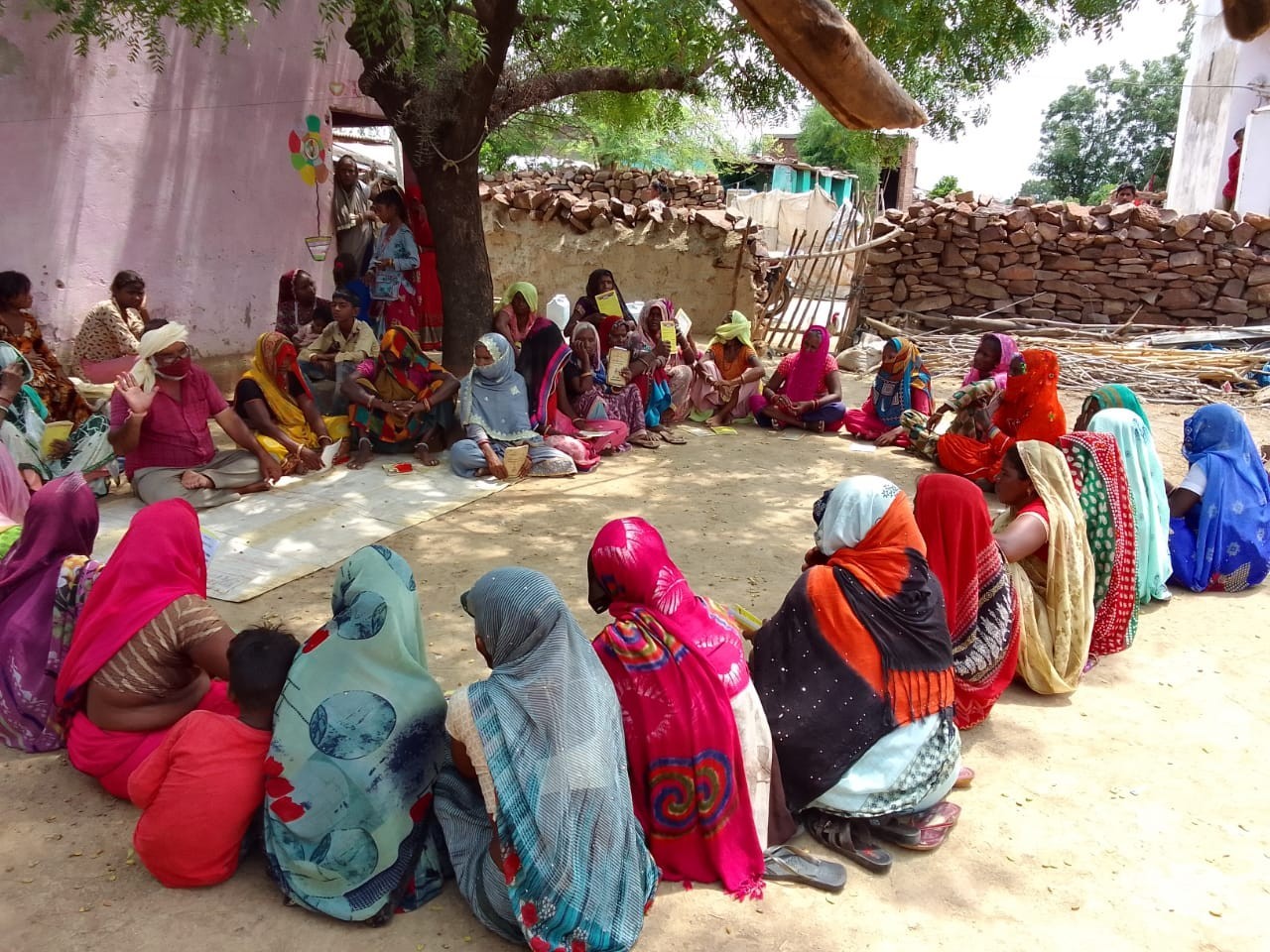
Environmental Awareness Camps
Special environment awareness camps are organized in villages to educate residents about:
The importance of forests in maintaining rainfall patterns.
Soil conservation and erosion prevention.
The link between tree cover and groundwater recharge.
The role of vegetation in reducing extreme temperature effects.
These camps are interactive and designed to create long-term understanding rather than one-time awareness.
School-Based Environmental Programs
The NGO conducts environment awareness sessions and plantation activities in schools across rural areas of Udaipur district.
Students are educated about:
The ecological importance of the Aravalli hill ecosystem.
The responsibility of future generations in protecting natural resources.
Practical steps to maintain cleanliness and conserve plants.
By involving children, the program builds a culture of environmental responsibility from an early age.
Community Participation and Collective Responsibility
Plantation is carried out with active participation from villagers, youth groups and local volunteers. This participatory model ensures that environmental protection becomes a shared community effort rather than an isolated organizational activity.
When communities plant and protect trees together, environmental awareness becomes rooted in collective action.
Impacts, Integration and Goals
Impact on Rural and Tribal Areas
The Environmental Conservation Program contributes to:
Increased plantation coverage in selected rural pockets.
Greater awareness regarding the ecological value of hills and forests.
Improved understanding of soil and water conservation.
Enhanced student engagement in environmental protection.
Strengthened community responsibility toward natural resources.
Though environmental restoration is gradual, consistent efforts create sustainable progress.
Long-Term Vision
The long-term vision of the Environmental Conservation Program is to ensure that:
The natural hills and forest areas of Udaipur district are preserved.
Tree plantation becomes a continuous and community-driven effort.
Villages actively protect their surrounding ecological resources.
Youth grow up with environmental consciousness integrated into their daily lives.
Through organized plantation drives, environmental camps and school-based awareness initiatives, Jivan Adhar Sansthan continues to contribute toward preserving the natural heritage of Udaipur and its surrounding tribal areas.