Strengthening Lives
Through Nourishment
Food security is the foundation of human dignity, health and learning capacity. In tribal rural and economically vulnerable communities of Udaipur and surrounding regions, consistent access to nutritious food remains uncertain for children from underprivileged families. Hunger not only weakens physical health but also affects concentration, emotional stability and school participation.
Jivan Adhar Sansthan established the Food Security and Nutritional Support Program to address this fundamental challenge in a structured, dignified and community-driven manner. The initiative goes beyond temporary relief; it is designed as a consistent support system aimed at protecting childhood development and reducing nutritional vulnerability.
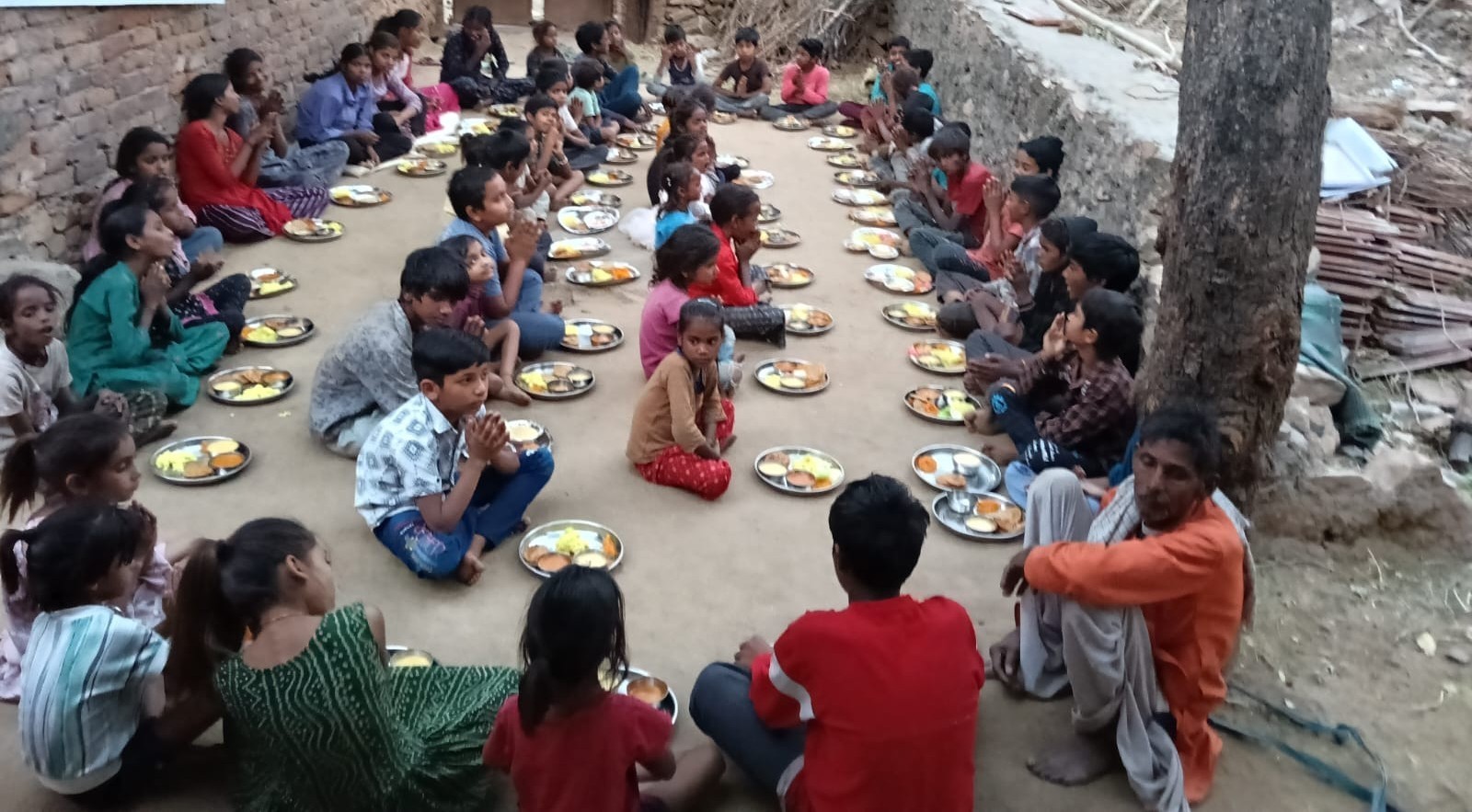
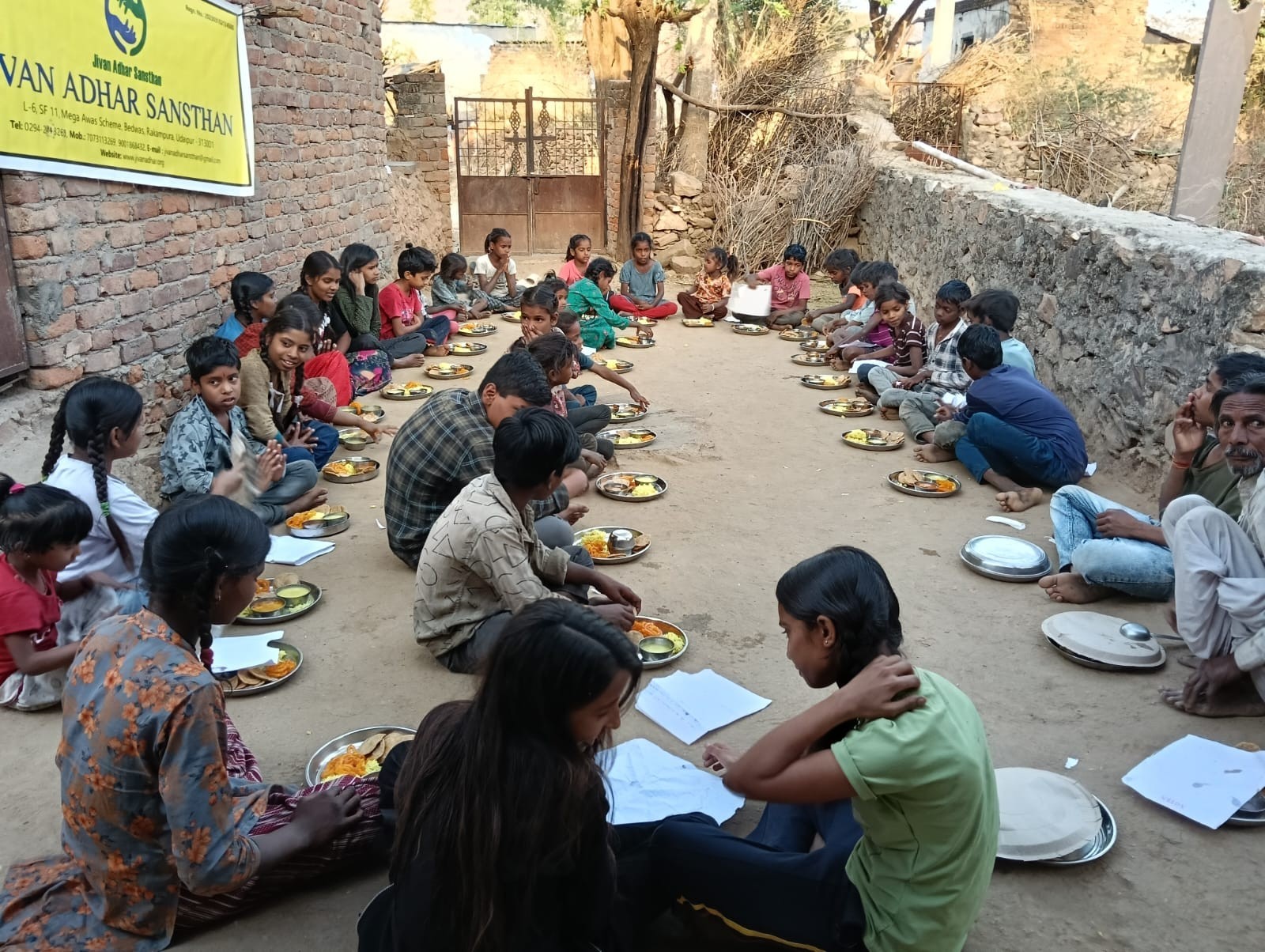
The program ensures that approximately 50 to 60 underprivileged children receive regular, hygienic and balanced meals. By providing predictable nutritional support, the organization strengthens both physical well-being and educational engagement.
Rationale Behind the Program
In many low-income households, limited financial resources force families to prioritize survival over balanced nutrition.
Children often receive irregular or inadequate meals, which leads to:
Reduced energy and concentration in school.
Increased vulnerability to illness.
Emotional insecurity and stress.
Lower academic participation.
Recognizing that hunger directly undermines educational and developmental goals, Jivan Adhar Sansthan integrated food security as a foundational pillar within its broader community development framework.
Objectives of the Program
The program operates with clear and measurable objectives:
To provide consistent and nutritious meals to economically vulnerable children.
To reduce the impact of hunger on school attendance and learning outcomes.
To support families experiencing financial hardship.
To promote community participation in child welfare initiatives.
To deliver food assistance with dignity, respect and sensitivity.
The initiative treats nourishment as an essential component of empowerment rather than charity
Key Components of the Program
Regular Nutritional Meal Distribution
The organization provides structured meal support to approximately 50–60 needy children on a regular basis. Meals are prepared and distributed while maintaining hygiene standards and attention to nutritional balance.
Consistency is a key priority, children benefit not only from receiving food, but from knowing that support is reliable and stable.
Occasion-Based Community Involvement
The program encourages individuals and families to dedicate meal sponsorship on meaningful occasions such as birthdays, anniversaries, memorial days or religious dates.
This approach transforms personal milestones into acts of social responsibility and builds a culture where celebration and compassion are connected. It also increases community awareness about child nutrition and social participation.
Dignity-Centered Implementation
Food distribution is conducted in a respectful and organized manner. Beneficiaries are treated with equality and sensitivity, avoiding any environment that may create stigma or dependency.
The organization emphasizes that assistance should strengthen confidence rather than diminish self-worth.
Nutritional Awareness and Family Sensitization
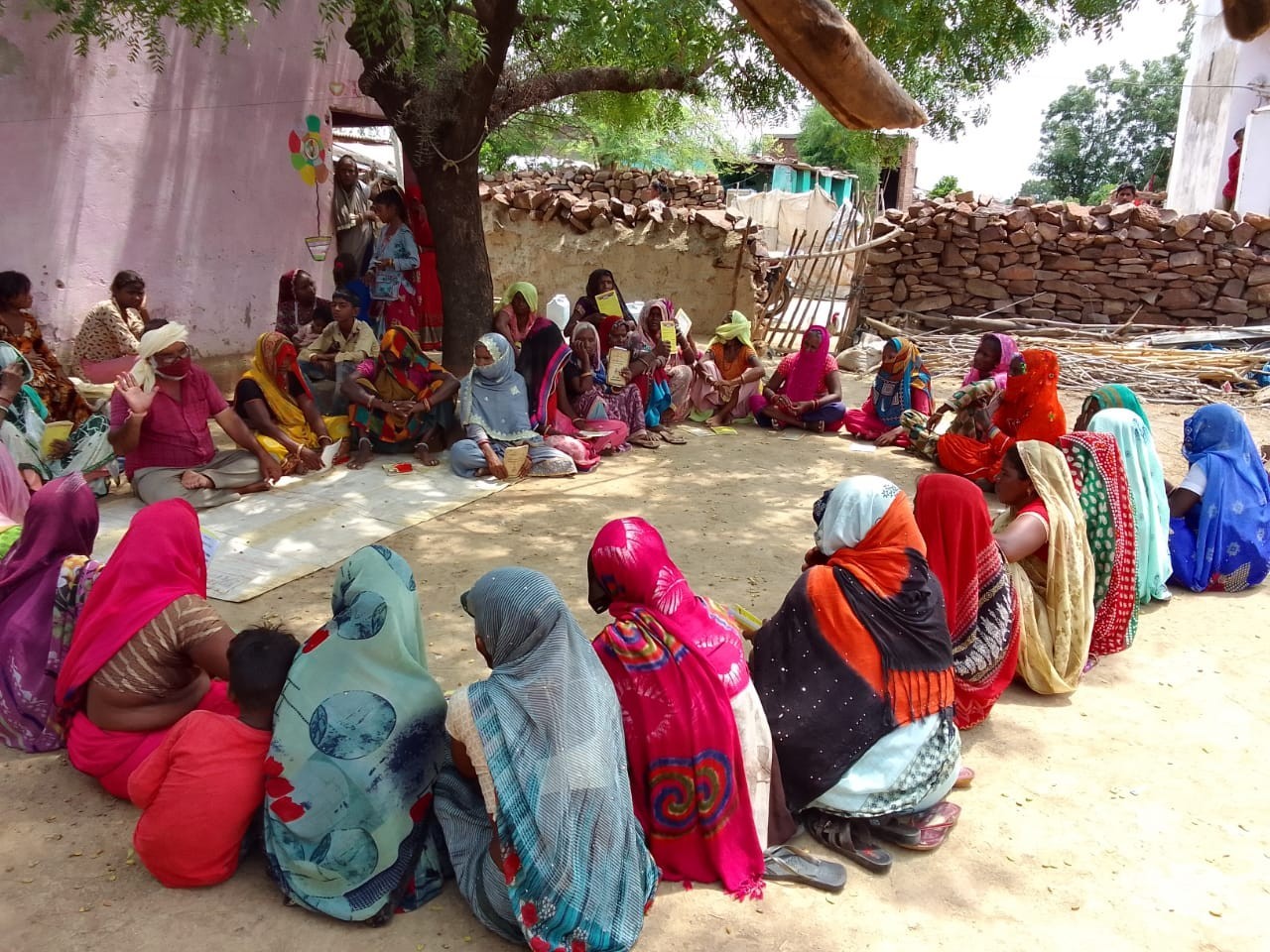
Where possible, families are encouraged to understand the importance of balanced nutrition for children’s growth. Awareness discussions reinforce the connection between healthy food, physical strength and academic performance.
Community-Centered Approach
The program is designed as a shared social effort rather than a one-directional service model. Community participation enhances transparency and long-term sustainability.
By involving local supporters and families, the initiative strengthens social bonds and builds a collaborative culture around child welfare.
Impacts, Integration and Goals
Impact on Child Development
The Food Security and Nutritional Support Program contributes to multi-dimensional improvement:
Improved physical health and immunity.
Better classroom concentration and school attendance.
Reduced emotional stress linked to food insecurity.
Strengthened trust between families and the organization.
Greater community awareness of collective responsibility toward children.
When hunger is addressed, children can focus on learning, growth and future opportunities.
Integration with Other Development Programs
The Food Security initiative is closely linked with education advancement and skill development programs. When children receive adequate nutrition:
Academic performance improves.
School retention increases.
Long-term employability prospects strengthen.
By aligning food support with educational and livelihood initiatives, Jivan Adhar Sansthan ensures that nourishment becomes the starting point of broader empowerment.
Long-Term Vision
While immediate hunger relief is essential, the long-term vision extends further. The organization aims to:
Reduce child malnutrition in targeted rural communities.
Build awareness around consistent nutritional practices.
Encourage community-supported food sustainability models.
Integrate nutrition with education and skill development pathways.
Through sustained effort and structured implementation, the Food Security and Nutritional Support Program remains a foundational pillar of Jivan Adhar Sansthan’s mission to create dignified, self-reliant and healthy communities in Rajasthan..