Education Advancement and School Reintegration
Strengthening Foundations for a Self-Reliant Future
Education is not merely a classroom activity; it is the foundation of social mobility, economic independence and informed citizenship. In rural and tribal regions of Rajasthan, however, access to sustained education remains fragile. Financial instability, early work responsibilities, limited awareness, social pressures and lack of academic guidance often push children out of the school system.
Jivan Adhar Sansthan established the Education Advancement and School Reintegration Program to respond to these challenges in a structured and community-centered manner. The initiative focuses not only on enrollment but on continuity, motivation and long-term academic progression.
The organization recognizes that when a child leaves school, the impact extends beyond the individual. It affects family income prospects, social awareness and generational development. Therefore, this program seeks to intervene at both student and family levels to restore the educational pathway and reinforce its long-term value.
Rationale Behind the Education Program
In several underserved communities, education is often interrupted due to:
Financial constraints that require children to contribute to household income.
Lack of awareness regarding the long-term benefits of continued schooling.
Academic struggles due to absence of mentorship or study support.
Social barriers affecting tribal and marginalized children.
Early disengagement caused by repeated absence or low confidence.
These factors create a cycle where children gradually disconnect from formal education, limiting their future opportunities. The program is designed to break this cycle through awareness, encouragement and structured support.
Core Objectives
The Education Advancement and School Reintegration Program operates with the following objectives:
To identify and re-enroll children who have discontinued schooling.
To reduce dropout rates in rural and semi urban areas.
To build parental awareness about the economic and social importance of education.
To provide guidance and mentorship for sustained academic engagement.
To support working youth in continuing their educational journey.
To cultivate confidence and aspiration among students.
The focus remains on building an ecosystem where education becomes both accessible and sustainable.
Key Components of the Program
Community-Based Identification and Outreach
Field-level engagement helps identify children who are at risk of dropping out or have already left school. Through door-to-door visits and community interactions, families are sensitized about the long-term consequences of educational discontinuation.
This direct approach ensures early intervention before children become permanently detached from learning systems.
School Re-Enrollment Facilitation
The organization assists families in navigating admission processes, documentation requirements and coordination with educational institutions. By simplifying these procedures, barriers to re-entry are reduced.
This component ensures that re-enrollment is not merely symbolic but institutionally supported.
Academic Support and Mentorship
Many students discontinue education due to lack of academic confidence. The program provides guidance sessions, motivational support and informal mentorship to help students overcome learning gaps.
By encouraging consistent study habits and reinforcing positive reinforcement, students gradually regain academic engagement.
Parental Counseling and Awareness
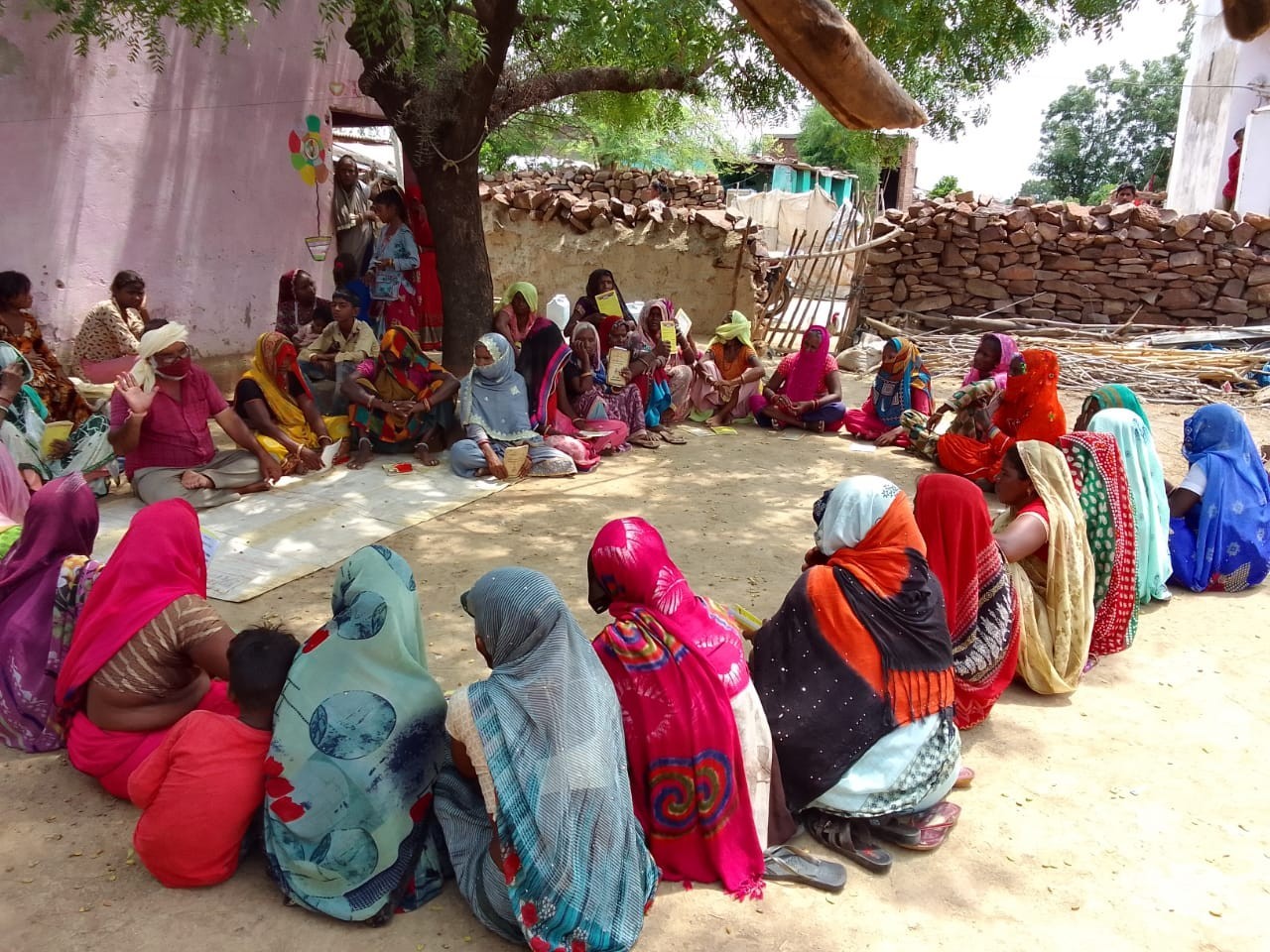
Parents are key stakeholders in educational continuity. Awareness meetings emphasize how education enhances long-term income potential, social dignity and informed decision-making.
By involving families directly, the program strengthens household-level commitment to sustained schooling.
Support for Youth Balancing Work and Study
In economically weaker families, older children often contribute to family income. Instead of discouraging employment outright, the organization promotes balanced solutions where youth can continue education alongside responsible livelihood engagement.
Mentorship focuses on time management, long-term planning and career pathway awareness.
Personality and Confidence Development
Education extends beyond textbooks. Interactive sessions promote communication skills, leadership awareness and required thinking abilities. These efforts prepare students not only for examinations but for real-world participation.
Confidence-building initiatives help students visualize possibilities beyond immediate constraints.
Impacts, Integration and Goals
Measurable and Long-Term Impact
The Education Advancement and School Reintegration Program contributes to:
Increased school attendance rates.
Reduced dropout tendencies in targeted communities.
Improved academic confidence among students.
Greater parental involvement in educational decisions.
Enhanced long-term employability prospects for youth.
Gradual reduction in generational poverty patterns.
Education, when sustained, becomes a multiplier of social progress.
Integration with Broader Development Goals
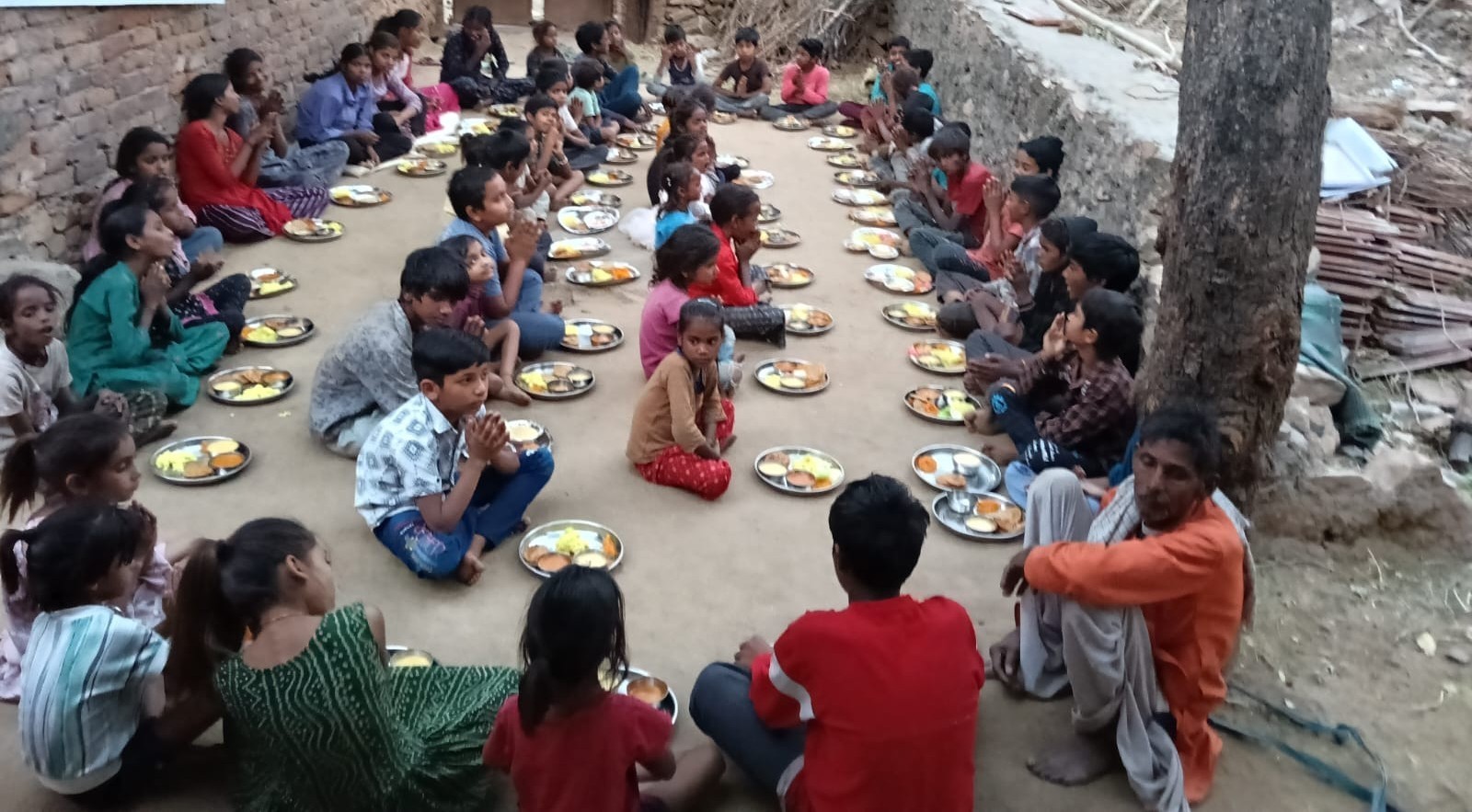
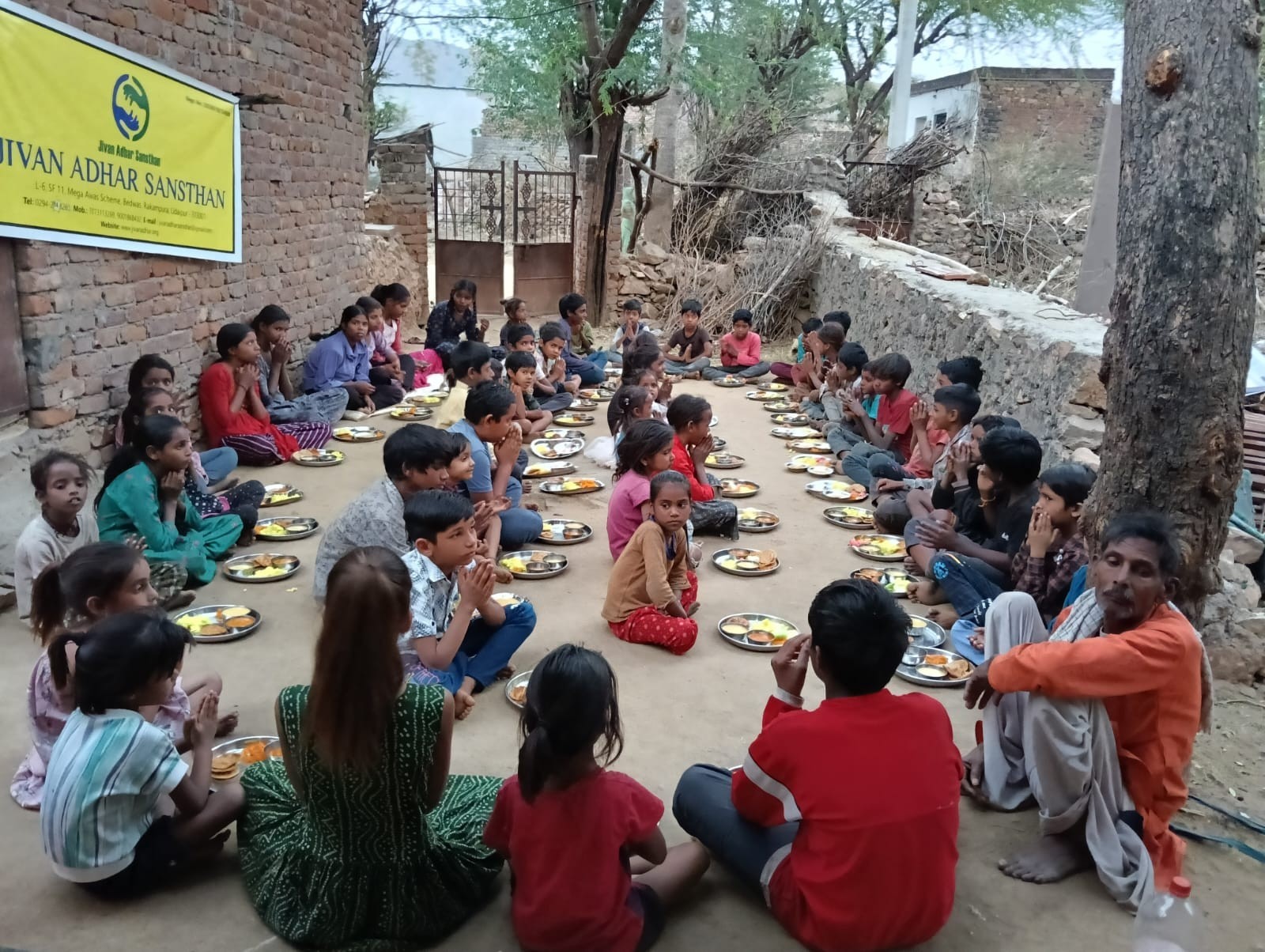
This program operates in coordination with other initiatives such as skill development, food security and youth livelihood support. When children receive adequate nutrition, educational engagement improves. When education continues, skill development becomes more effective.
This interconnected model ensures that education becomes the backbone of a broader empowerment framework.
Long-Term Vision
The long-term vision of this initiative is to create communities where:
Education is treated as a non-negotiable priority.
Dropout rates decline significantly.
Tribal and marginalized youth compete confidently in wider opportunities.
Families view schooling as an investment in dignity and stability.
Through sustained engagement, Jivan Adhar Sansthan seeks to build an educational culture rooted in awareness, aspiration and self-reliance across rural Rajasthan.